
15 July 2026
The History of British Campaign Medals
From Waterloo to World War II, explore the rich tradition of British campaign medals and the stories they tell.
The Origins of Campaign Medals
The tradition of awarding campaign medals to British soldiers dates back to the early 19th century, with the Waterloo Medal of 1815 being the first awarded to all ranks present at a battle. This groundbreaking decision established the principle that every soldier's contribution mattered, regardless of their station.
Throughout the Victorian era, the British Empire's vast expansion led to an extraordinary variety of campaign medals. From the Crimean War to the Boer War, each conflict produced its own distinct medals, often with clasps denoting specific battles.
The Great War and Beyond
World War I saw the introduction of the standard trio: the 1914 or 1914-15 Star, the British War Medal, and the Victory Medal. These became iconic symbols of service in the Great War.
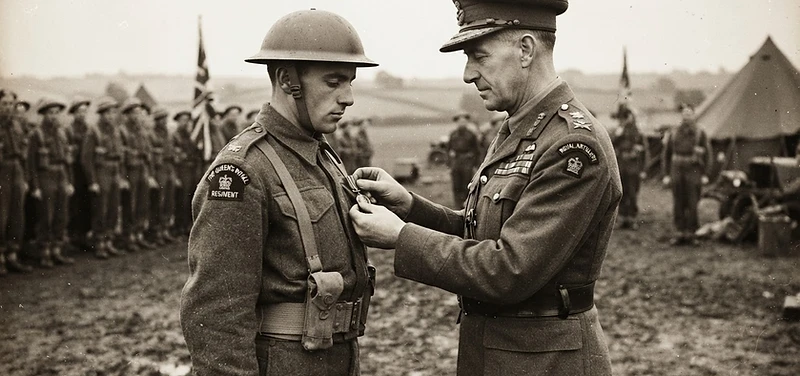
World War II brought a new set of campaign stars and medals, reflecting the global nature of the conflict. The 1939-45 Star, Africa Star, Italy Star, and Burma Star each represented different theatres of war.
Collecting Today
Campaign medal groups are highly sought after by collectors, particularly those with verified named attribution. The research potential is enormous and each medal tells a personal story of service and sacrifice.